Our laboratory is primarily studying the molecular dynamics underlying the pathophysiology of liver. We aim to translate these discoveries into better diagnostic and therapeutic strategies for better outcome for patients with liver disease.
Hepatitis B Virus (Their Role in chronic liver disease)
Non-coding RNAs (Their regulation in liver function)
Liver Regeneration (Molecular control of regenerative capacity)
MASLD / MetALD (Molecular signatures of fatty liver disease)
The Biology Driving Our Questions
The liver is a multifunctional organ responsible for metabolism, biosynthesis, secretion and detoxification. Uniquely, it can regenerate through cell proliferation after injury but when cell loss outpaces regeneration due to viral infection, dysbalance in the diet intake, etc., chronic liver injury occurs. Depending on the insult, the injury progresses towards fibrosis, cirrhosis, or hepatocellular carcinoma. All of these processes are tightly controlled by various genes. We work on elucidating the mechanisms controlling the chronic liver injury.
Healthy Liver (Metabolism, biosynthesis, secretion & detoxification, with a unique capacity to regenerate after hepatectomy or injury.)
Injury & Imbalance (Alcohol, fatty diet or viral infection (HBV/HCV) damage hepatocytes faster than they can regenerate.)
Fatty Liver → Steatohepatitis (Fat accumulates; oxidative stress and inflammation accelerate injury and activate stellate cells.)
Fibrosis → Cirrhosis → Cancer (Persistent injury drives fibrosis, cirrhosis and, in many cases, hepatocellular carcinoma.)
Current Lab members
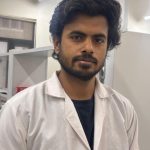
Gopal Sharma PhD Student (2023–present) – Bhutan
I study metabolic liver disease arising from metabolic dysfunction and moderate alcohol consumption, with an emphasis on disease modelling and the discovery and characterization of metabolic biomarkers. Integrates animal and cellular disease models with clinical data to understand disease mechanisms and identify biomarkers of diagnostic relevance.
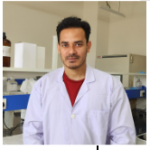
Tannavi PhD Student (2024–present) – India
Working on Metabolic Dysfunction-Associated Alcoholic Liver Disease, focusing on early protein biomarkers associated with disease onset and progression to improve diagnosis and therapy. Integrates animal models, cell lines and clinical samples to identify and validate novel diagnostic biomarkers.
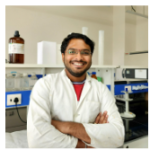
Amardeep Ashish PhD Student (2025–present) – India
Studies how gut–liver communication contributes to the development and progression of MetALD, particularly through alterations in intestinal permeability, inflammation and hepatic metabolism, using animal models and advanced in vitro approaches including gut–liver co-culture systems.
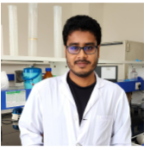
Dr. Amrendra Kumar Sah Project Research Scientist–II – Nepal
Currently developing a field-deployable diagnostic kit using CRISPR for the detection of hepatitis B and hepatitis C virus.
Alumni
Kishor Pant Ph.D. student (2013-18) - Nepal Title of the Thesis: “Study of the role of butyrate, a short-chain fatty acid, in modulating HBV replication and hepatocellular carcinoma”
Senior Scientist (2023–present), previously Postdoctoral Researcher (2018–23), The Hormel Institute, University of Minnesota, USA
Parul Gupta Ph.D. student (2014-19) – India Title of the Thesis: "Role of Augmenter of Liver Regeneration (ALR) in Liver Regeneration"
Project Manager, Business Development (2026–present), Wadhwani Innovation & Translation Center, IIT Bombay — previously Postdoc, Stanford University (2019); Research Scientist, IIT Delhi (2019–20); Postdoc, UT Southwestern Medical Center, USA (2021–25)
Ajay Kumar Yadav Ph.D. student (2015-22) – Nepal Title of the Thesis: "Role of miRNAs and Glucose Metabolism in the Progression of Non-Alcoholic Fatty Liver Disease to Hepatocellular Carcinoma"
Postdoctoral Researcher (2022–present), Indiana University School of Medicine, Indianapolis — Dept. of Medical & Molecular Genetics (2022–Mar 2025), Dept. of Dermatology (Apr 2025–present)
Amit Kumar Mishra Ph.D. student (2016-23) – India Title of the Thesis: "Identification and Characterization of Different HBV Interacting Host Proteins and Elucidation of their Mechanism of Action."
Postdoctoral Researcher (2023–present), Albert Einstein College of Medicine, New York, USA
Dr. Md. Musa Hossain Ph.D. Student (2017–24) - india Title of the Thesis: “Role of Pyruvate Kinase M2 (PKM2) and DEAD-box Helicase 3 (DDX3) in the Progression of NAFLD”
Postdoctoral Researcher (2025–present), Dept. of Foundations of Medicine, NYU Grossman Long Island School of Medicine, USA
Dr. Amrendra Kumar Sah Ph.D. Student (2018–25) – Nepal Title of the Thesis: "Role of Long Non-Coding RNAs in the Progression of NAFLD to Hepatocellular Carcinoma"
Project Research Scientist–II, South Asian University, New Delhi (current lab member) — previously Ex-Project Research Scientist–I, AIIMS, New Delhi
Dr. Sata Teja Naveen Ph.D. Student (2019–25) – india Title of the Thesis: "Use of CRISPR/Cas Technology as a Diagnostic Platform and Experimental Therapeutic Strategy for Chronic Liver Disease"
PBST, CCMB Hyderabad (Aug 2025–Feb 2026)
Dr. Md. Ismail Ph.D. Student (2020–26)– Bangladesh Title of the Thesis: "Study of the Role of Circular RNAs in the Survival of Hepatitis B Virus in Human Hepatic Cells"
PhD completed 2026
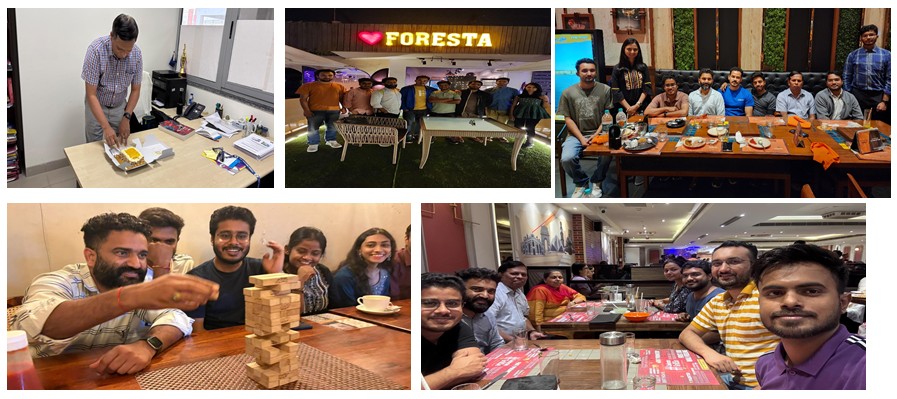
At the Bench
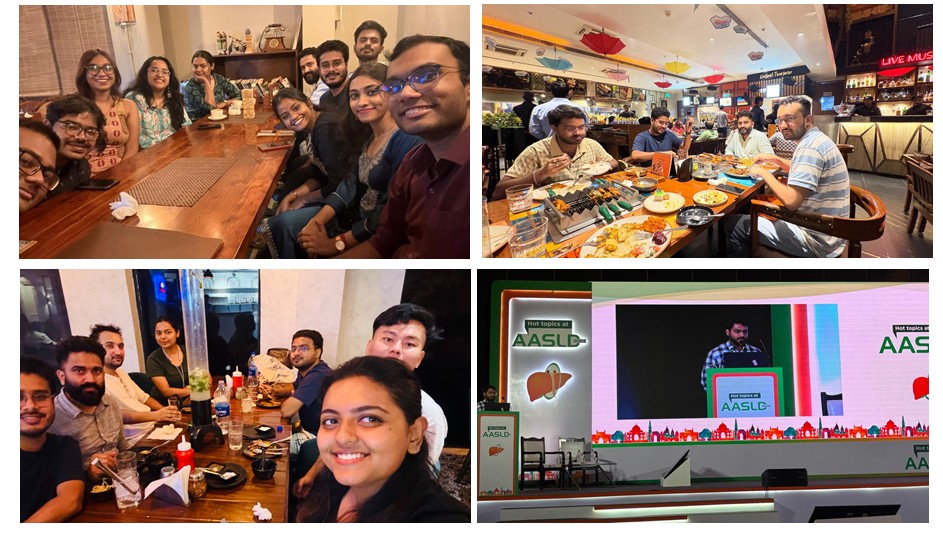
Beyond the Bench
SELECTED PUBLICATIONS
Pant K, et al. Butyrate induces ROS-mediated apoptosis and autophagy in hepatocellular carcinoma. PMID: 28600122
Pant K, et al. Butyrate inhibits SIRT-1 via miR-22 to trigger apoptosis in hepatic cells. PMID: 28288414
Gupta P, et al. ALR promotes liver regeneration via miR-26a/PTEN/p-Akt signalling. PMID: 31267617
Gupta P, et al. ALR inhibits TGF-β-induced hepatic fibrosis via miR-181a. PMID: 31166951
Yadav AK, et al. FFA-induced miR-181a-5p modulates apoptosis and proliferation in NAFLD. PMID: 35551953
Mishra AK, et al. BANF1 restricts HBV replication via HBx/miR-203 axis. PMID: 36519846
Mishra AK, et al. DDX3 restricts HBV via miR-34-mediated autophagy suppression. PMID: 36597176
Hossain MM, et al. PKM2 drives MASH progression; suppressed by miR-122. PMID: 39630362
Hossain MM, et al. DDX3/miR-141 inhibits SIRT1-mediated autophagy in MASLD. PMID: 39631458
Mishra AK, et al. ALR restricts HBV replication via ROS-mediated autophagy. PMID: 39934594
Ismail M, et al. circSETD2/miR-181a-5p axis promotes HBV replication via DDX3. PMID: 41484997
Naveen ST, et al. CRISPR/Cas13a-RPA platform for HBV/HCV diagnosis. PMID: 42289138
Naveen ST, et al. Protocol for producing miRNA mimics for functional studies. PMID: 40530509
Contact Us
We welcome enquiries from prospective PhD students, postdoctoral fellows and collaborators interested in liver biology, molecular virology and translational hepatology.
PRINCIPAL INVESTIGATOR Prof. Senthil Kumar Venugopal
DEPARTMENT / UNIVERSITY FLSB, South Asian University